“Unlock the Possibilities of Sublimation Printing with Heat Transfer Paper!” – SUBLIMATIONTRANSFERPAPER – Tacky Sublimation Paper Supplier, Sticky Sublimation Transfer Paper Manufacturer, Made in China
In the world of custom printing, sublimation printers and heat transfer paper are two common tools, each playing a vital role in creating personalized designs on various substrates. A question that often arises among hobbyists, small business owners, and printing enthusiasts is: Can a sublimation printer be used for heat transfer paper? The short answer is “it depends,” but a deeper understanding of the technologies, materials, and compatibility factors is essential to avoid mistakes and achieve desired results.
Key Differences: Sublimation Printing vs. Traditional Heat Transfer Printing
First, let’s clarify the fundamental differences between sublimation printing and traditional heat transfer printing, as these differences lay the groundwork for understanding their compatibility. Sublimation printing relies on sublimation ink, which turns from a solid to a gas when exposed to high heat and pressure. This gas penetrates the surface of polyester or polymer-coated substrates, bonding with the material at a molecular level once it cools and reverts to a solid. The result is a durable, vibrant, and seamless design that won’t peel, crack, or fade easily. Importantly, sublimation printing requires specific ink (sublimation ink) and substrates with polyester content or a polymer coating—natural fibers like cotton cannot be directly sublimated because the ink molecules cannot bond to non-polymer materials.
On the other hand, traditional heat transfer printing (often referred to as “heat transfer vinyl” or “HTV” printing, though it can also involve transfer paper with printed designs) uses heat transfer paper as a carrier for the design. There are two main types of heat transfer paper: one for inkjet printers and one for laser printers. The process involves printing the design onto the transfer paper using compatible ink (inkjet or laser ink), then applying heat and pressure to transfer the design from the paper to the substrate. Unlike sublimation, heat transfer printing can work on a wider range of materials, including cotton, cotton-poly blends, and even some synthetic fabrics. The design sits on top of the substrate rather than bonding with it molecularly, which means it may be slightly tactile and has a higher risk of peeling over time compared to sublimation.
Core Question Analysis: Compatibility of Sublimation Printers and Heat Transfer Paper
To address the core question, we need to focus on two key factors: the type of ink used in the sublimation printer and the type of heat transfer paper. Sublimation printers are specifically designed to use sublimation ink, which is water-based but contains dyes that sublimate at high temperatures. Most heat transfer papers, however, are formulated to work with standard inkjet inks (pigment or dye-based) or laser toners—not sublimation ink. This mismatch is the primary reason why using a sublimation printer with regular heat transfer paper is not recommended.
When sublimation ink is printed onto standard heat transfer paper, several issues arise. First, sublimation ink does not adhere well to the coating on regular heat transfer paper. The coating on these papers is designed to hold inkjet or laser ink, not sublimation dyes. As a result, the printed design may appear faded, smudged, or uneven. Second, during the heat transfer process, the sublimation ink will attempt to sublimate (turn to gas) rather than transfer as a solid layer. This means the ink will not properly bond to the transfer paper, and thus will not transfer effectively to the substrate. Even if some ink does transfer, the result will be a low-quality, non-durable design that is likely to wash away or peel off quickly.
The Caveat: Specialized Sublimation Transfer Paper
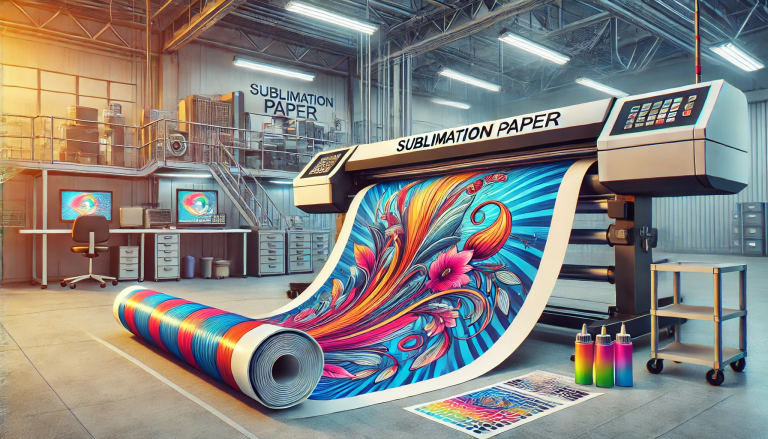
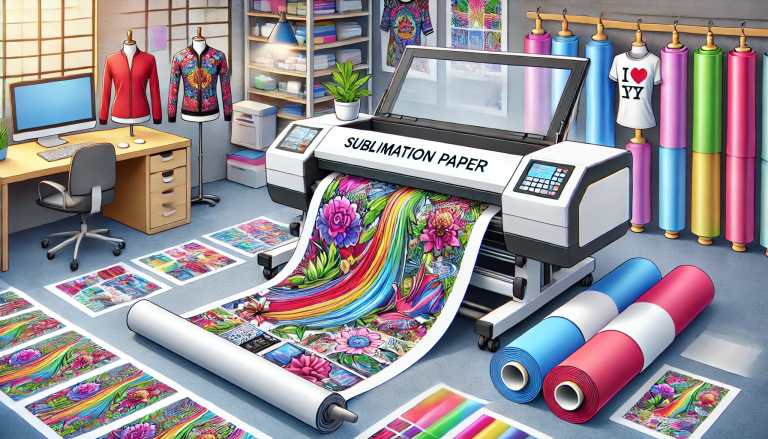
However, there is a caveat: there are specialized heat transfer papers designed specifically for sublimation printing, often called “sublimation transfer paper” or “polyester transfer paper.” These papers are coated to work with sublimation ink, allowing the ink to adhere temporarily until the heat transfer process. When used with a sublimation printer and sublimation ink, this specialized transfer paper can be used to print designs that are then transferred to polyester or polymer-coated substrates—essentially combining the use of a transfer paper with sublimation technology. This is particularly useful for printing on small or irregularly shaped items (like mugs, phone cases, or textiles) where direct sublimation may be challenging.
It’s important to distinguish between “sublimation transfer paper” and standard heat transfer paper. Sublimation transfer paper is not the same as the inkjet or laser heat transfer paper used for cotton substrates. It is a niche product designed to work with sublimation ink and polyester-based materials. Using standard heat transfer paper with a sublimation printer will not yield functional results, but using sublimation transfer paper (when necessary) with a sublimation printer is a valid technique in specific applications.
Project Purpose: Choosing the Right Tool for the Substrate
Another consideration is the purpose of the printing project. If your goal is to print on cotton or non-polyester substrates, a sublimation printer—even with heat transfer paper—is not the right tool. In this case, an inkjet or laser printer paired with the appropriate heat transfer paper is the correct choice. Sublimation printers are only effective for polyester or polymer-coated materials, regardless of whether transfer paper is used. The transfer paper in sublimation applications merely acts as a carrier for the ink until it can sublimate into the substrate.
Summary of Key Points
A sublimation printer cannot be effectively used with standard heat transfer paper (designed for inkjet or laser printers) because sublimation ink is incompatible with the paper’s coating and will not transfer properly. However, there are specialized sublimation transfer papers that are formulated to work with sublimation ink and printers. These papers are used in specific sublimation applications where direct printing onto the substrate is not feasible, but they still require the final substrate to be polyester or polymer-coated. For printing on non-polyester materials like cotton, a sublimation printer and heat transfer paper (of any type) are not a viable combination.
In conclusion, the compatibility between sublimation printers and heat transfer paper hinges on using the right type of transfer paper. Standard heat transfer paper is a mismatch for sublimation ink, but specialized sublimation transfer paper can be used effectively in certain scenarios. Always ensure that your materials—printer, ink, transfer paper, and substrate—are all compatible to achieve the best possible results. If you’re unsure, consult the manufacturer’s guidelines for your printer and transfer paper, as they will provide specific recommendations for compatibility and usage.