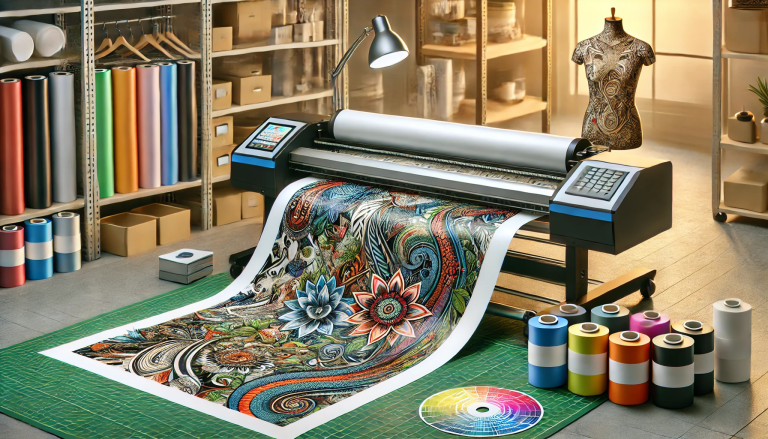
“Get the best results with Quick Dry Inkjet Sublimation Paper – the perfect choice for transfer paper!” – SUBLIMATIONTRANSFERPAPER – Tacky Inkjet Sublimation Paper Supplier, A3 Vinyl Sublimation Paper Wholesale, Made in China
When it comes to printing and transferring designs onto fabrics or other surfaces, choosing the right type of paper is crucial for achieving high-quality results. Two popular options in the market are Quick Dry Inkjet Sublimation Paper and Transfer Paper. While both have their unique advantages and applications, understanding their differences can help you decide which one is better suited for your needs.
Quick Dry Inkjet Sublimation Paper
1. How It Works: Quick Dry Inkjet Sublimation Paper is specifically designed for dye-sublimation printing. The process involves printing your design onto the paper using special sublimation inks. The printed paper is then heat-pressed onto a compatible substrate, typically polyester or polyester-coated materials. The heat causes the ink to turn from a solid to a gas, bonding with the substrate at the molecular level.
2. Advantages:
- High-Quality Results: Sublimation printing produces vibrant, long-lasting colors that won’t fade over time.
- Permanent Bonding: The ink bonds directly with the fabric, resulting in a soft and durable finish.
- Wide Range of Applications: Ideal for printing on polyester fabrics, ceramic mugs, phone cases, and other sublimation-compatible items.
- Quick Drying: As the name suggests, this paper is designed to dry quickly, reducing the risk of smudging or ink bleeding.
3. Limitations:
- Material Compatibility: Sublimation printing works best on polyester or polyester-coated materials. It is not suitable for cotton or other natural fibers.
- Initial Investment: Sublimation printers and inks can be more expensive than traditional printers and inkjet cartridges.
Transfer Paper
1. How It Works: Transfer paper, often referred to as heat transfer paper, is used for printing designs that will be transferred onto fabrics or other surfaces using heat. The process involves printing your design onto the transfer paper using an inkjet or laser printer. The printed side is then placed on the fabric, and a heat press or iron is used to melt the adhesive, transferring the design onto the material.
2. Advantages:
- Versatility: Transfer paper can be used on a wide range of materials, including cotton, polyester, and blends.
- Affordable: Transfer paper is generally more affordable than sublimation paper, making it a cost-effective option for small-scale or hobby projects.
- Easy to Use: The process is straightforward, even for beginners, and doesn’t require specialized equipment like sublimation printers.
3. Limitations:
- Limited Durability: The transfer may crack or peel over time, especially with repeated washing.
- Feel: Transfer prints can feel stiff or slightly raised on the fabric, which may not be ideal for some applications.
- Limited Color Accuracy: The colors may not be as vibrant or accurate as those produced by sublimation printing.
Which is Better?
The choice between Quick Dry Inkjet Sublimation Paper and Transfer Paper ultimately depends on your specific needs and the materials you plan to work with.
- Choose Quick Dry Inkjet Sublimation Paper if:
- You are working with polyester or polyester-coated materials.
- You want vibrant, durable, and fade-resistant prints.
- You are looking for a soft, permanent bond with the fabric.
- You are producing large-scale or commercial projects.
- Choose Transfer Paper if:
- You are working with a variety of materials, including cotton.
- You are on a budget and need an affordable option.
- You are a beginner and want an easy-to-use solution.
- You are creating smaller batches or one-off projects.
In conclusion, both Quick Dry Inkjet Sublimation Paper and Transfer Paper have their own strengths and weaknesses. If you prioritize high-quality, long-lasting prints and are working with compatible materials, sublimation paper is the better choice. However, if versatility and ease of use are more important, transfer paper may be the way to go. Consider your project requirements, budget, and materials before making your decision.