“Unlock Your Creative Potential with A1 Sublimation Paper!” – SUBLIMATIONTRANSFERPAPER – Hi-Sticky Sublimation Paper Supplier, Inkjet Sublimation Paper Roll Manufacturer, Made in China
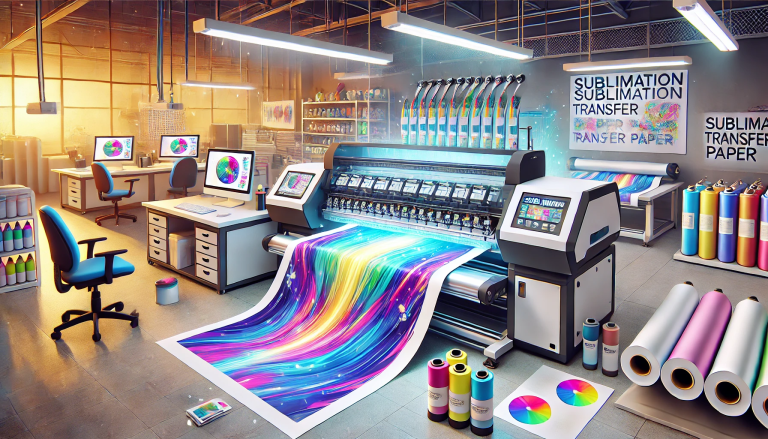
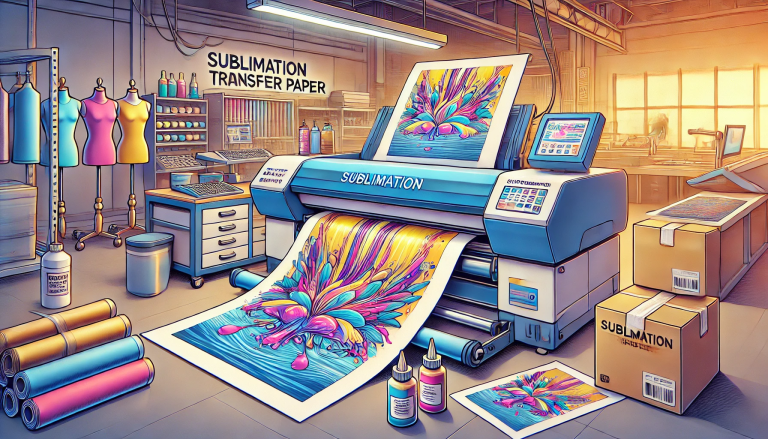
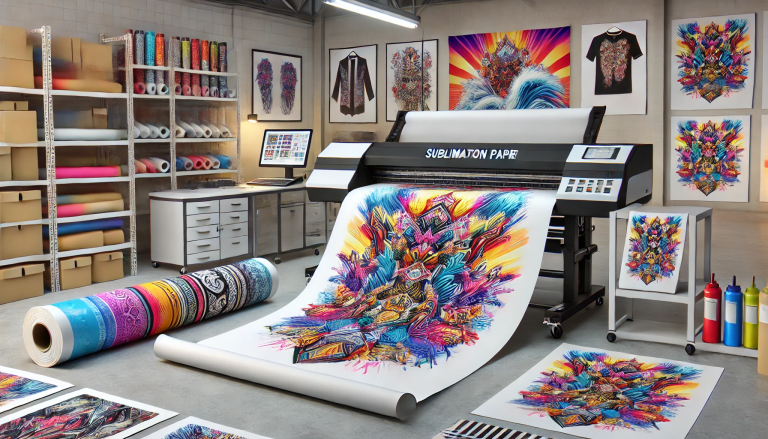
Sublimation printing has become a popular method for creating vibrant, long-lasting designs on various materials, such as polyester fabrics, ceramics, and hard surfaces. One of the critical components of a successful sublimation process is the use of high-quality sublimation paper. A1 Sublimation Paper is a brand that many sublimation enthusiasts turn to for its claimed performance and affordability. But can you effectively sublimate on A1 Sublimation Paper? Let’s explore this question in detail.
What is A1 Sublimation Paper?
A1 Sublimation Paper is a type of transfer paper designed specifically for use with sublimation inks. It allows the ink to transfer from the paper to the substrate (like fabric or a mug) when exposed to high temperatures during the heat press process. The paper is coated with a special layer that absorbs the ink during printing and then releases it onto the substrate when heat is applied.
How Does A1 Sublimation Paper Perform?
The performance of A1 Sublimation Paper can vary depending on several factors, including the quality of the paper, the type of printer and ink used, and the substrate being printed on. Generally, A1 Sublimation Paper is known for being cost-effective and accessible, making it a popular choice for hobbyists and small businesses.
However, the key to successful sublimation lies not just in the paper but also in the compatibility between the paper, the ink, and the substrate. If any of these elements are not well-matched, the final result may suffer from issues such as color bleed, poor image clarity, or an incomplete transfer of the design.
Can You Sublimate on A1 Sublimation Paper?
The short answer is yes, you can sublimate on A1 Sublimation Paper, but the success of your sublimation project will depend on several factors:
- Quality of the Paper: High-quality A1 Sublimation Paper should provide a smooth transfer of the ink, ensuring that the colors are vibrant and the image is crisp. If the paper is low-quality or improperly coated, it may result in poor print results.
- Type of Printer and Ink: Your sublimation printer and ink must be compatible with the A1 Sublimation Paper. Using the wrong type of ink or a printer that is not designed for sublimation can lead to poor results.
- Heat Press Settings: The temperature, pressure, and time settings on your heat press are crucial. If the settings are incorrect, the ink may not transfer properly, or the paper may stick to the substrate.
- Substrate Type: Not all substrates are suitable for sublimation. Polyester fabrics and specially coated hard surfaces are the most common, but even within these categories, the material can affect the final result.
Tips for Using A1 Sublimation Paper
- Test Before Printing Large Orders: If you’re new to sublimation or using a new batch of A1 Sublimation Paper, it’s a good idea to run a test print on a small piece of substrate to ensure the paper, ink, and heat press settings are working well together.
- Follow the Manufacturer’s Instructions: Always refer to the guidelines provided by A1 Sublimation Paper or your sublimation supplier to ensure you’re using the correct settings and techniques.
- Store the Paper Properly: Sublimation paper should be stored in a cool, dry place away from direct sunlight to prevent moisture absorption, which can affect performance.
- Use High-Quality Sublimation Ink: Using premium sublimation ink can significantly improve the quality of your prints, ensuring vibrant colors and sharp details.
Conclusion
In summary, you can indeed sublimate on A1 Sublimation Paper, but the success of your project will depend on several factors, including the quality of the paper, the compatibility of your printer and ink, and the accuracy of your heat press settings. By following best practices and ensuring that all components of the sublimation process are well-matched, you can achieve excellent results with A1 Sublimation Paper.
If you’re new to sublimation, it’s worth experimenting with different settings and materials to find what works best for your specific needs. With a little practice and the right tools, you’ll be well on your way to creating stunning, high-quality sublimation prints.