“Print Anything, Anywhere with Can Tacky Sublimation Heat Paper!” – SUBLIMATIONTRANSFERPAPER – Industrial Sublimation Transfer Paper Factory, Sublimation Heat Paper Roll Supplier, Made in China
Sublimation printing has become increasingly popular in recent years, especially for creating personalized items like T-shirts, mugs, phone cases, and more. One of the key components in this process is sublimation paper, and among the various types available, tacky sublimation heat paper has gained attention for its unique properties. But can tacky sublimation heat paper be used in any printer? This article aims to answer that question and provide a deeper understanding of the requirements and limitations of using this specialized paper.
What is Tacky Sublimation Heat Paper?
Tacky sublimation heat paper is a type of sublimation paper designed to hold ink more effectively. Unlike regular sublimation paper, which may not have the same level of adhesive properties, tacky paper is coated with a special layer that allows it to “stick” to the surface of the transfer material during the heat transfer process. This helps ensure a more even and consistent transfer of ink, resulting in better quality prints.
Can Tacky Sublimation Heat Paper Be Used in Any Printer?
The short answer is no, tacky sublimation heat paper cannot be used in just any printer. Here’s why:
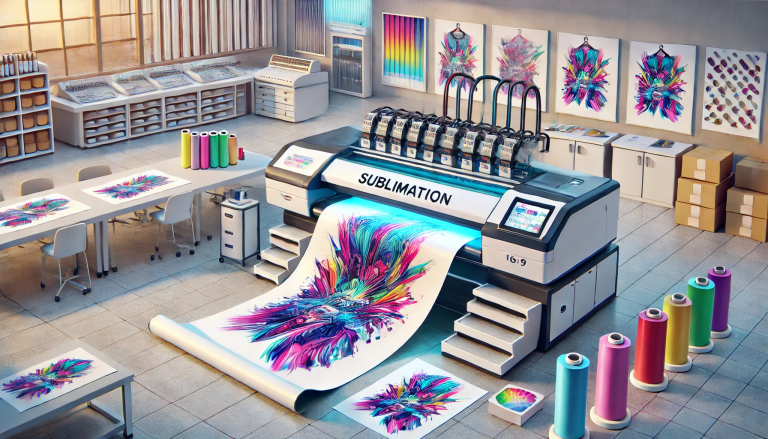
- Compatible Printers: Tacky sublimation heat paper is specifically designed for use with sublimation printers. Sublimation printers are specialized machines that use heat-sensitive ink to transfer images onto materials like polyester fabric, ceramic mugs, and other items that can withstand high temperatures. These printers are equipped with the necessary components to handle the unique properties of sublimation ink and paper.
- Ink Type: Tacky sublimation heat paper works best with sublimation ink. Regular inkjet printers use different types of ink (e.g., dye-based or pigment-based), which are not compatible with sublimation paper. Using regular ink in a sublimation printer will result in poor-quality prints, smudging, and unsatisfactory transfers.
- Heat Press Requirement: Even if you have a sublimation printer and the correct ink, tacky sublimation heat paper requires a heat press to transfer the image onto the desired material. The heat and pressure applied in the heat press process are crucial for the ink to properly sublimate onto the surface. Without a heat press, the paper won’t function as intended.
Why Can’t Regular Printers Be Used?
Regular inkjet or laser printers are not designed to handle sublimation printing. Here are some key reasons:
- Ink Compatibility: Regular printers use inks that are not heat-sensitive and cannot sublimate onto materials. Sublimation ink needs to change from a solid to a gas state under heat, which is a process that only sublimation printers are equipped to handle.
- Paper Handling: Tacky sublimation heat paper is engineered to work with sublimation printers. Regular printers may not feed the paper properly, and the adhesive coating on the paper could cause issues with the printer’s rollers or internal components.
- Temperature Control: Sublimation printers and heat presses are designed with precise temperature controls to ensure the ink transfers correctly. Regular printers do not have this capability, making them unsuitable for sublimation printing.
Conclusion
Tacky sublimation heat paper is a specialized product that requires a sublimation printer, sublimation ink, and a heat press to function properly. While it cannot be used in regular inkjet or laser printers, it offers significant benefits when used correctly, such as better ink adhesion and higher-quality transfers. If you’re interested in sublimation printing, it’s important to invest in the right equipment to achieve the best results.
In summary, while tacky sublimation heat paper has its advantages, it is not a versatile solution for every type of printer. Always ensure that you have the proper tools and materials to get the most out of your sublimation printing projects.