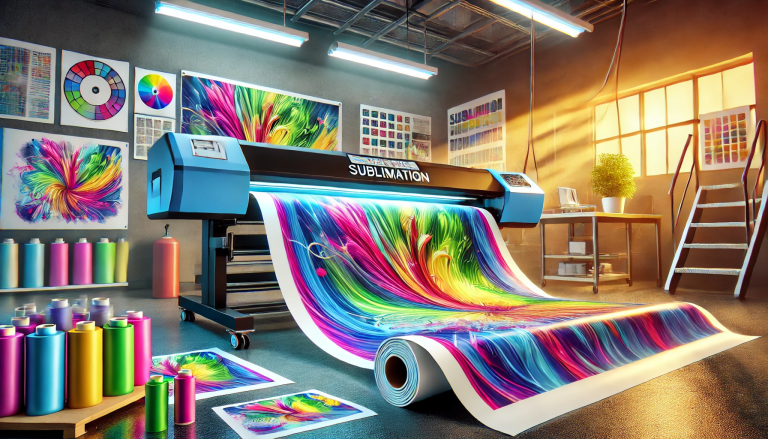
“Bring Your Designs to Life with Digital Vinyl Sublimation Paper!” – SUBLIMATIONTRANSFERPAPER –A4 Sublimation Transfer Paper Factory, 24inch Vinyl Sublimation Paper Supplier, Made in China
Digital Vinyl Sublimation Paper is a specialized material that blurs the line between traditional sublimation paper and vinyl, leading many to question its suitability for standard sublimation processes. The short answer is yes—but with critical caveats tied to its unique composition and intended use. Below is a detailed breakdown of its compatibility, applications, and best practices for successful sublimation.
1. What Is Digital Vinyl Sublimation Paper?
Unlike standard sublimation paper (a coated cellulose sheet), Digital Vinyl Sublimation Paper combines a vinyl-based carrier with a sublimation-friendly coating. This hybrid design merges the flexibility of vinyl with the dye-sublimation capability to bond ink molecularly with polyester substrates. It’s engineered to hold sublimation ink temporarily, then release it during heat transfer, while the vinyl carrier ensures easy application and alignment—especially useful for irregularly shaped items.
2. Compatibility: Key Factors for Sublimation Use
For Digital Vinyl Sublimation Paper to work for sublimation, two core conditions must be met: compatible ink and substrates. First, it requires true sublimation ink (disperse dyes), as standard inkjet or vinyl inks won’t sublimate. Second, the target substrate must be polyester or polymer-coated (e.g., polyester fabrics, coated mugs, metal panels). It cannot bond with natural fibers like cotton, just like traditional sublimation paper.
Additionally, the paper must be paired with a heat press that delivers sufficient temperature (180–230°C) and pressure (35–50 psi). The vinyl carrier’s adhesive properties help secure the paper to the substrate during pressing, reducing misalignment risks—a major advantage over standard sublimation paper for beginners.
3. Ideal Applications & Limitations
Digital Vinyl Sublimation Paper excels in specific sublimation scenarios: custom apparel (polyester t-shirts, hoodies), promotional items (coated keychains, phone cases), and small-batch production. Its vinyl backing makes it easy to cut into intricate shapes (using a vinyl cutter) before transfer, ideal for detailed designs.
Limitations include higher cost than standard sublimation paper and reduced suitability for large-format prints (due to vinyl’s rigidity). It also requires careful peeling post-pressing—most variants need a cold peel to avoid damaging the design, unlike some standard papers that allow hot peeling.
4. Best Practices for Successful Sublimation
To achieve optimal results: 1) Print the design in mirror image (critical for sublimation); 2) Use a high-resolution setting (1440 dpi) to ensure sharpness; 3) Allow the printed paper to dry fully before pressing; 4) Apply heat and pressure per the manufacturer’s guidelines (typically 20–30 seconds); 5) Peel the vinyl carrier slowly and evenly after cooling. Testing on a scrap substrate first is recommended to fine-tune settings.
5. Conclusion: A Valid Sublimation Option with Specific Use Cases
Digital Vinyl Sublimation Paper can indeed be used for sublimation, offering unique benefits like easier alignment and intricate cutting capabilities. However, it’s not a one-size-fits-all solution—it requires sublimation ink, polyester substrates, and proper heat press settings. For users seeking flexibility in design application without sacrificing sublimation’s durability, it’s a valuable tool, though standard sublimation paper remains more cost-effective for large or simple projects.