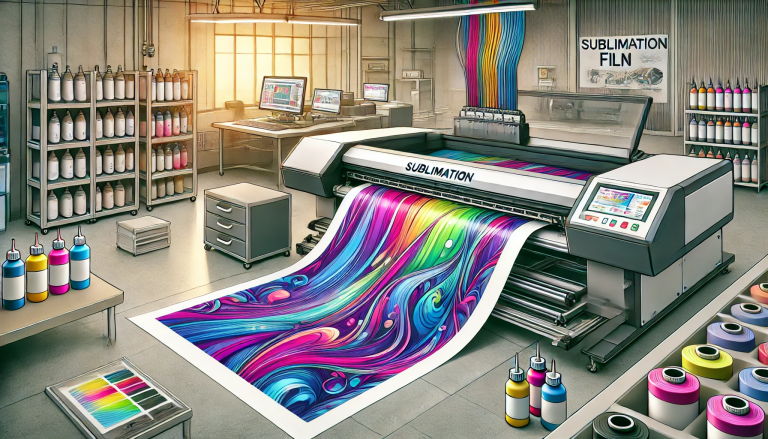
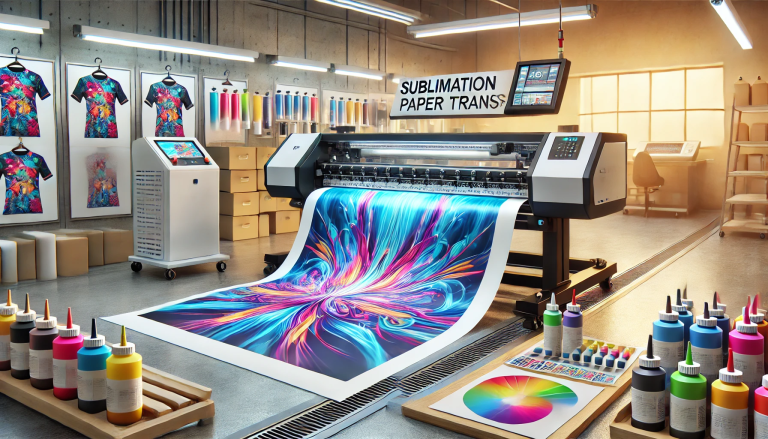
Sublimation printing has become a popular method for creating vibrant, long-lasting designs on a variety of materials, from T-shirts and mugs to phone cases and home decor. However, a common question that arises among users is: Are sublimation transfers reusable? The short answer is no, sublimation transfers are not reusable. In this article, we’ll explore why this is the case, the nature of the sublimation process, and alternative methods for achieving similar results.
Understanding the Sublimation Process
To understand why sublimation transfers are not reusable, it’s important to first grasp how the sublimation process works:
- Ink Transfer: Sublimation inks are printed onto specialized transfer paper using a sublimation printer.
- Heat Application: The transfer paper is placed onto the substrate (e.g., a polyester T-shirt or ceramic mug) and pressed with heat and pressure using a heat press.
- Gas Expansion: The heat causes the dye-based inks on the transfer paper to sublimate, turning them into a gas.
- Ink Transfer: The gas permeates the substrate, bonding with its fibers or coating. Once the gas cools, it solidifies into the material, creating a permanent design.
The key takeaway here is that sublimation inks are absorbed into the substrate during the transfer process. This means that once the design is transferred, the transfer paper is no longer functional.
Why Sublimation Transfers Are Not Reusable
1. Ink Depletion
When the heat press is applied, the sublimation dye transfers from the transfer paper to the substrate. Once the ink is absorbed into the material, the transfer paper no longer contains any dye. Attempting to reuse the paper would result in a blank or incomplete design, as there’s no ink left to transfer.
2. Paper Damage
The heat and pressure applied during the transfer process can also damage the transfer paper. The paper may wrinkle, stick to the substrate, or become unusable due to the high temperatures required for sublimation.
3. Design Accuracy
Even if the transfer paper were somehow reusable, the integrity of the design would no longer be reliable. Any slight shift in alignment or damage to the paper could result in a blurry or misaligned print, which defeats the purpose of the sublimation process.
4. Permanent Bonding
Sublimation designs are meant to be permanent. They don’t peel, crack, or fade over time, even with repeated washing. This permanence is achieved because the dye bonds directly with the substrate’s fibers or coating. A reusable transfer would go against the fundamental nature of sublimation printing.
Alternative Methods for Reusing Designs
While sublimation transfers themselves are not reusable, there are alternative methods for creating designs that can be applied multiple times:
1. Heat Transfer Vinyl (HTV)
Heat transfer vinyl is a popular alternative to sublimation printing, especially for non-polyester materials. HTV designs are cut using a vinyl cutter and then weeded (trimming away excess material). The remaining design is transferred onto the substrate using a heat press. Unlike sublimation, HTV can sometimes be applied to different items if the vinyl remains uncut and undamaged.
2. Print-and-Cut Techniques
Using a combination of printers and vinyl cutters, it’s possible to create reusable templates for designs. These templates can be applied to multiple items, though they may require additional tools and materials, such as transfer tape.
3. Digital Designs
If you’re looking to apply the same design to multiple items, consider creating a template or file for the design. This allows you to print and transfer the design as many times as needed, as long as you have enough transfer paper and substrates.
Common Misconceptions About Reusable Transfers
There are several myths surrounding sublimation transfers and reusability. Here are a few common misconceptions:
1. “You Can Wash the Transfer Paper”
Some users believe that washing the transfer paper after use can remove excess ink and make it reusable. However, washing the paper won’t restore the ink that has already sublimated onto the substrate. Additionally, the paper itself may not withstand repeated washing and drying.
2. “Sublimation Transfers Last Forever”
While sublimation designs are durable and long-lasting, the transfer paper itself is not. Once the inks have transferred, the paper serves no further purpose and should be discarded.
3. “You Can Reuse the Same Substrate”
Another misconception is that you can reuse the same substrate (e.g., a T-shirt) to apply a new design. However, once a sublimation design is bonded to the substrate, it’s permanent and cannot be removed or overwritten.
Tips for Maximizing Sublimation Efficiency
While sublimation transfers aren’t reusable, there are ways to make the most of your sublimation supplies:
- Use High-Quality Transfer Paper: Investing in durable, high-quality transfer paper ensures smooth transfers and minimizes waste.
- Organize Your Designs: Plan your projects carefully to avoid errors and ensure each transfer is used on the intended substrate.
- Experiment with Sublimation Blanks: Pre-coated sublimation blanks, such as mugs or phone cases, can simplify the transfer process and reduce the risk of mistakes.
- Stay Updated on Techniques: Keeping up with the latest sublimation techniques and materials can help you achieve better results with each transfer.
Conclusion
The question “Are sublimation transfers reusable?” is easily answered: no, sublimation transfers are not reusable. The nature of the sublimation process, which involves permanent ink transfer and paper depletion, makes it impractical—and often impossible—to reuse transfer paper. However, this doesn’t mean you can’t achieve similar effects with other methods, such as heat transfer vinyl or digital design templates.
As a sublimation enthusiast, understanding the limitations of the process is key to maximizing your efficiency and achieving the best possible results. By focusing on quality materials, careful planning, and innovative techniques, you can continue to create stunning, long-lasting designs for all your projects. So, next time someone asks if transfer paper is necessary, you’ll know just how vital it is to the world of sublimation printing!