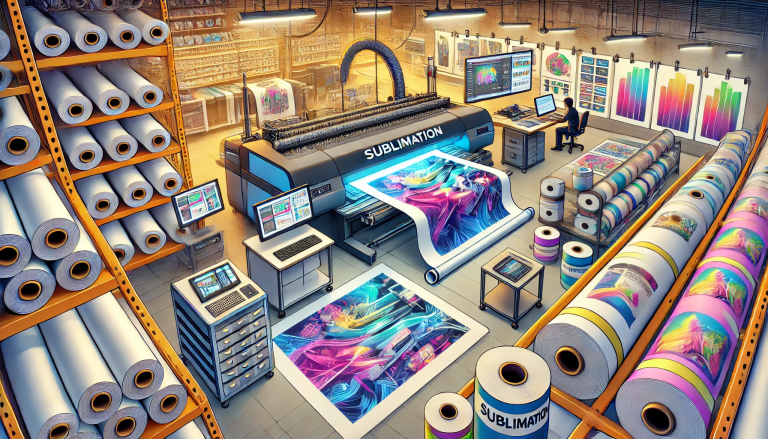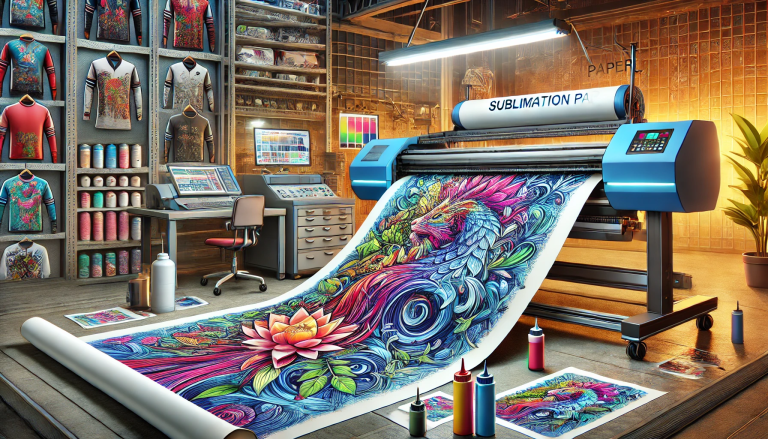
“Sublimation Paper: Quick Dry, Easy Transfer – Get the Look You Want!” – SUBLIMATIONTRANSFERPAPER – 24inch Vinyl Sublimation Paper Manufacturer, A3+ Sublimation Transfer Paper Factory, Made in China
Quick Dry Vinyl Sublimation Paper and transfer paper are both used in custom printing, but they are not the same. A common misconception is that these two materials are interchangeable, but their unique compositions, working principles, and applications set them apart significantly. Below is a detailed breakdown of their key differences to clarify why they cannot be used interchangeably and how to choose the right one for your project.
1. Core Composition: Structural Differences
Quick Dry Vinyl Sublimation Paper features a hybrid structure: a vinyl-based carrier layer, a high-tack adhesive coating, and a specialized sublimation top coating with quick-drying properties. The vinyl carrier provides flexibility and structural stability, the adhesive ensures firm attachment to substrates during heat transfer, and the quick-dry coating accelerates ink drying to reduce smudging. It is designed exclusively for sublimation ink absorption and release.
In contrast, standard transfer paper (including inkjet and laser variants) is typically made of cellulose or coated paper without a vinyl layer. Its core structure is a simple carrier sheet with a coating optimized for holding inkjet or laser ink, not sublimation ink. Some transfer papers have a heat-activated adhesive layer, but this is distinct from the vinyl carrier and sublimation-specific coating of Quick Dry Vinyl Sublimation Paper.
2. Working Principles: Sublimation vs. Surface Bonding
The fundamental difference lies in how designs bond to substrates. Quick Dry Vinyl Sublimation Paper relies on the sublimation process: when exposed to high heat (180–230°C) and pressure, sublimation ink turns into a gas, penetrates polyester or polymer-coated substrates, and bonds molecularly. The quick-dry feature ensures the ink is stable before pressing, while the vinyl carrier aids alignment and is peeled off post-cooling, leaving the ink integrated into the substrate.
Transfer paper uses surface bonding: inkjet or laser ink is printed onto the paper, then transferred to the substrate via heat and pressure. The ink forms a thin surface layer held in place by the paper’s adhesive or the ink’s own bonding properties. Unlike sublimation, the design does not penetrate the substrate and remains a tactile layer on top, which is prone to peeling or fading over time.
3. Ink & Printer Compatibility
Quick Dry Vinyl Sublimation Paper is exclusively compatible with sublimation printers and sublimation ink (disperse dyes). It cannot work with standard inkjet or laser inks, as these inks lack sublimation properties and will not bond with the paper’s coating or transfer to substrates effectively. Sublimation printers (e.g., Epson, Ricoh) with printheads optimized for sublimation ink are required.
Transfer paper is divided into inkjet and laser types, each compatible with their respective printers and inks. Inkjet transfer paper works with water-based dye or pigment inks, while laser transfer paper is designed for toner-based laser printers. It is incompatible with sublimation ink, as the ink’s sublimation characteristics conflict with the paper’s coating.
4. Substrate Suitability & Performance
Quick Dry Vinyl Sublimation Paper is limited to polyester or polymer-coated substrates (e.g., polyester fabrics, coated mugs, metal panels). It cannot bond with natural fibers like cotton. When used correctly, it delivers seamless, fade-resistant, and wash-resistant results with a soft finish, as the ink is molecularly integrated into the substrate.
Transfer paper has broader substrate compatibility, including cotton, cotton-poly blends, linen, and even some non-textiles (e.g., wood, leather). However, its performance is less durable: the surface ink layer is prone to fading, peeling, or cracking with frequent use or washing, and the finish may feel rigid or textured.
5. Conclusion: Not the Same—Choose Based on Project Needs
In conclusion, Quick Dry Vinyl Sublimation Paper is not the same as transfer paper. They differ in composition, working principles, ink/printer compatibility, substrate suitability, and performance. Choose Quick Dry Vinyl Sublimation Paper for durable, seamless designs on polyester/polymer-coated substrates, especially when quick ink drying is a priority. Opt for transfer paper if you need versatility across natural fibers and various substrates, even if durability is compromised. Understanding these differences is key to selecting the right material for successful custom printing projects.