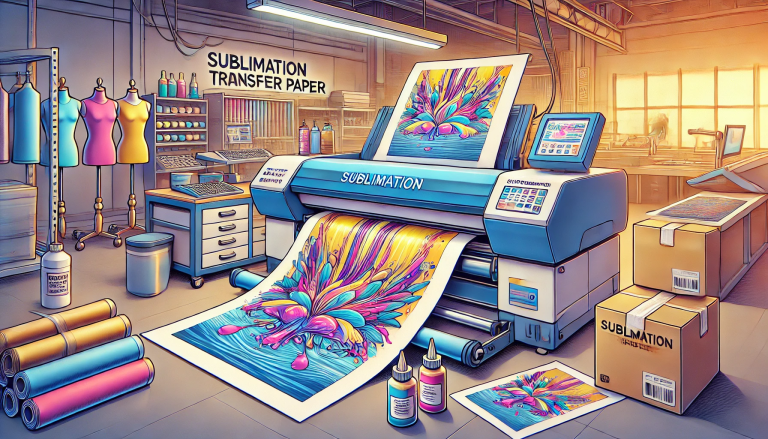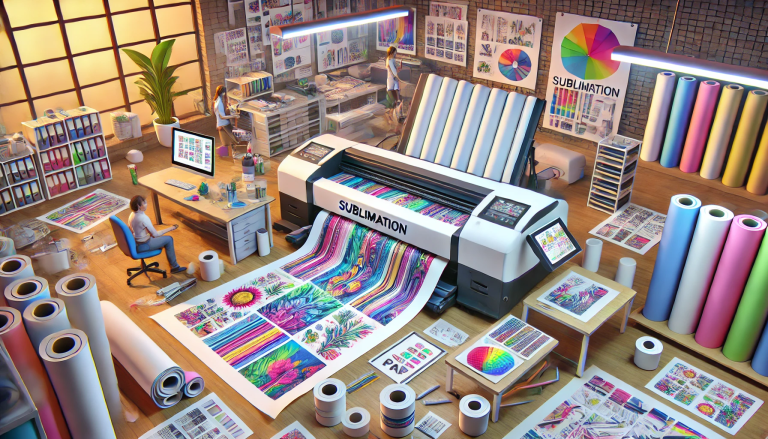
Sublimation printing has revolutionized the way we create vibrant, full-color designs on a wide range of materials, from apparel and home decor to promotional items and gifts. However, one common question that arises among beginners and even experienced users is: Do you need transfer paper for sublimation? The short answer is yes, transfer paper is an essential component of the sublimation process. In this article, we’ll explore why transfer paper is necessary, how it works, and the different types available to help you achieve the best results in your sublimation projects.
What is Sublimation Printing?
Before diving into the role of transfer paper, it’s important to understand what sublimation printing is. Sublimation is a heat-based printing process that uses special water-based dyes to create long-lasting, vibrant designs on polyester or polyester-coated materials. The process involves three main steps:
- Ink Printing: A sublimation printer sprays dye-based inks onto a transfer paper.
- Heat Application: The printed transfer paper is placed onto the substrate (e.g., a T-shirt, mug, or pillowcase) and pressed with heat and pressure using a heat press.
- Ink Transfer: The heat causes the dye to turn into a gas, which permeates the substrate. Once the gas cools, it solidifies into the material, creating a permanent, washable design.
Sublimation printing is known for its ability to produce high-quality, full-color designs with exceptional durability. However, this process relies heavily on the use of specialized transfer paper to achieve consistent and vibrant results.
Why Do You Need Transfer Paper for Sublimation?
The question “Do you need transfer paper for sublimation?” can be answered by understanding the critical role transfer paper plays in the printing process. Here are the key reasons why transfer paper is indispensable:
1. Facilitates Ink Transfer
Sublimation inks are designed to react to heat and turn into gas. However, these inks need a medium to hold them temporarily before transferring to the substrate. Transfer paper acts as this medium. The paper’s coating absorbs the sublimation inks from the printer and releases them onto the material when heat is applied. Without transfer paper, the inks would not transfer correctly, resulting in incomplete or faded designs.
2. Ensures Consistent Results
Transfer paper is specifically designed to work with sublimation printers and inks. Its advanced coating ensures smooth and even ink release, which is crucial for maintaining the vibrancy and sharpness of the final design. Poor-quality transfer paper or using regular paper can lead to uneven ink distribution, smudging, or blurred edges, significantly affecting the quality of your prints.
3. Protects the Substrate
During the heat transfer process, the transfer paper serves as a protective barrier between the ink and the substrate. This prevents the ink from spreading unevenly or staining areas of the material where it isn’t intended. Without this layer, achieving clean and precise designs would be much more challenging.
4. Enables Versatility
Sublimation transfer paper comes in various types, including options for light fabrics, dark fabrics, and specialty substrates like metals or ceramics. This versatility allows users to print on a wide range of materials, expanding the creative possibilities for their projects.
Types of Transfer Paper for Sublimation
Not all transfer paper is created equal. Depending on the substrate and the desired outcome, you may need different types of transfer paper. Here are the most common categories:
1. Light Fabric Transfer Paper
This is the most widely used type of sublimation transfer paper. It is designed for printing on light-colored polyester fabrics or polyester-coated items. The paper ensures vibrant colors and smooth ink transfer, making it ideal for apparel, tote bags, flags, and other light-colored materials.
2. Dark Fabric Transfer Paper
Traditional sublimation printing struggles with dark fabrics because the dye-based inks don’t show up well on darker colors. However, dark fabric sublimation transfer paper solves this problem by using a two-step process:
- A white underbase is first transferred to the fabric to provide a light background.
- The design is then printed on top of the white base, allowing bright colors and details to pop on dark materials.
3. Specialty Transfer Paper
For substrates like ceramics, metals, wood, or glass, specialty transfer paper is required. These papers are designed to handle the unique properties of these materials, ensuring a successful transfer without damaging the substrate.
Common Misconceptions About Transfer Paper
Despite its importance, there are some misconceptions about transfer paper that may lead people to question its necessity. Here are a few common myths:
1. You Can Use Regular Paper
Some users may wonder if they can save money by using regular paper instead of specialized transfer paper. However, regular paper lacks the coating needed to absorb and release sublimation inks properly. This can result in poor-quality prints, ink clogging in the printer, and even damage to the substrate.
2. Transfer Paper is Not Necessary for All Substrates
While it’s true that some sublimation substrates (like mugs or tiles) may not require traditional transfer paper, tools like sublimation blanks or pre-coated items are used instead. These products essentially serve the same purpose as transfer paper by preparing the substrate for ink transfer.
3. Transfer Paper is Expensive
While investing in high-quality transfer paper may seem costly upfront, it’s a small price to pay for the superior results you’ll achieve. Using inferior or incorrect paper can lead to wasted materials and costly reprints, ultimately increasing your expenses.
Conclusion
The question “Do you need transfer paper for sublimation?” has a clear answer: yes, transfer paper is an essential component of the sublimation printing process. It ensures smooth ink transfer, consistent results, and versatility across various substrates. From light fabric transfer paper to dark fabric options and specialty papers, choosing the right type of transfer paper is key to achieving vibrant, durable designs.
Whether you’re a hobbyist or a professional, investing in high-quality transfer paper will elevate your sublimation projects and help you produce stunning results every time. So, next time someone asks if transfer paper is necessary, you’ll know just how vital it is to the world of sublimation printing!