“Transfer Paper for Everyday Use, Sticky Sublimation Transfer Paper for Lasting Results!” – SUBLIMATIONTRANSFERPAPER – Digital Sublimation Paper Factory, Vinyl Sublimation Paper Roll Wholesale, Made in China
When it comes to custom printing on fabrics and substrates, transfer paper and sticky sublimation transfer paper are two common options—but they vary greatly in functionality, application, and results. Understanding their distinctions is vital for choosing the right tool for your project. Below are the core differences that set these two papers apart.
1. Basic Definition and Core Purpose
Transfer Paper is a general term for paper used to transfer designs onto surfaces. It typically works with regular inks (e.g., pigment, dye-based) and relies on physical adhesion to bond the ink layer to the substrate. Its primary goal is to transfer printed images simply, suitable for low-cost, temporary or semi-permanent prints.
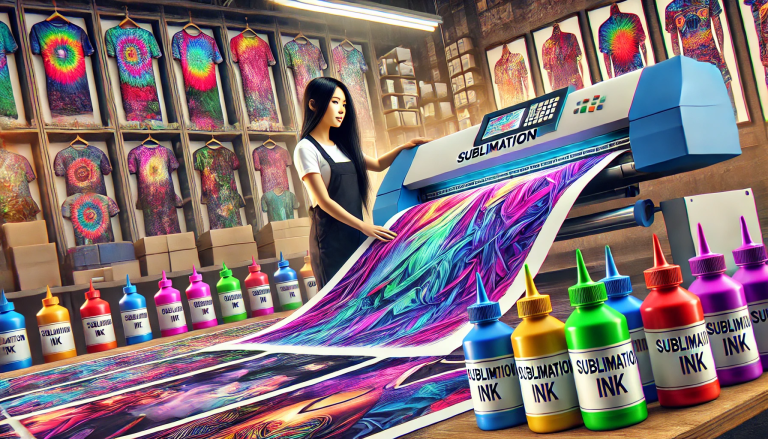
Sticky Sublimation Transfer Paper is a specialized subset of sublimation paper. It features a heat-activated adhesive layer alongside the sublimation coating, designed to work exclusively with sublimation inks. Its dual purpose is to securely hold the paper in place during heat pressing and enable ink sublimation for permanent, high-quality prints.
2. Working Mechanism
Transfer paper operates through a “layer transfer” process. The ink is printed on the paper first; during heat pressing, the ink layer (sometimes with a bonding agent) melts and adheres to the substrate’s surface. The paper acts as a carrier only, and the ink remains a separate layer on top of the material.
Sticky sublimation transfer paper leverages “sublimation diffusion.” When heated, the sublimation ink turns into gas, penetrating the substrate’s fibers (usually polyester) and bonding at a molecular level. Meanwhile, its adhesive layer temporarily sticks to the substrate during pressing, preventing shifting—after cooling, the adhesive loses stickiness, leaving no residue.
3. Applicable Substrates and Inks
Transfer paper is versatile in substrates, working with cotton, polyester, blends, and even hard surfaces like wood or metal. It pairs with standard inkjet/laser inks, making it accessible for home printers.
Sticky sublimation transfer paper is limited to polyester or polyester-coated substrates (e.g., sportswear, mugs). It requires sublimation inks—regular inks cannot sublimate, leading to faint or non-permanent prints.
4. Print Quality and Durability
Transfer paper prints often have a noticeable “hand feel” (a slight thickness on the surface) and may fade, crack, or peel after washing or wear. Colors can be less vibrant, especially on dark substrates.
Sticky sublimation transfer paper delivers vibrant, soft-to-the-touch prints—since the ink merges with the substrate, there’s no perceptible layer. Prints resist fading, washing, and stretching, maintaining quality for years, making them ideal for apparel and frequent-use items.
5. Operation Convenience
Transfer paper may require additional steps, like trimming excess paper or using a base layer for dark fabrics. It often needs precise alignment to avoid misprints.
The adhesive layer of sticky sublimation transfer paper simplifies operation: it self-secures to the substrate, eliminating the need for heat-resistant tape and reducing alignment errors. This saves time, especially for batch printing.
Conclusion
Choose transfer paper for low-budget, temporary projects or mixed-material prints. Opt for sticky sublimation transfer paper when prioritizing permanent, vibrant, and soft prints on polyester substrates. Knowing these differences ensures you select the right paper to meet your project’s needs, whether for DIY crafts or professional production.